
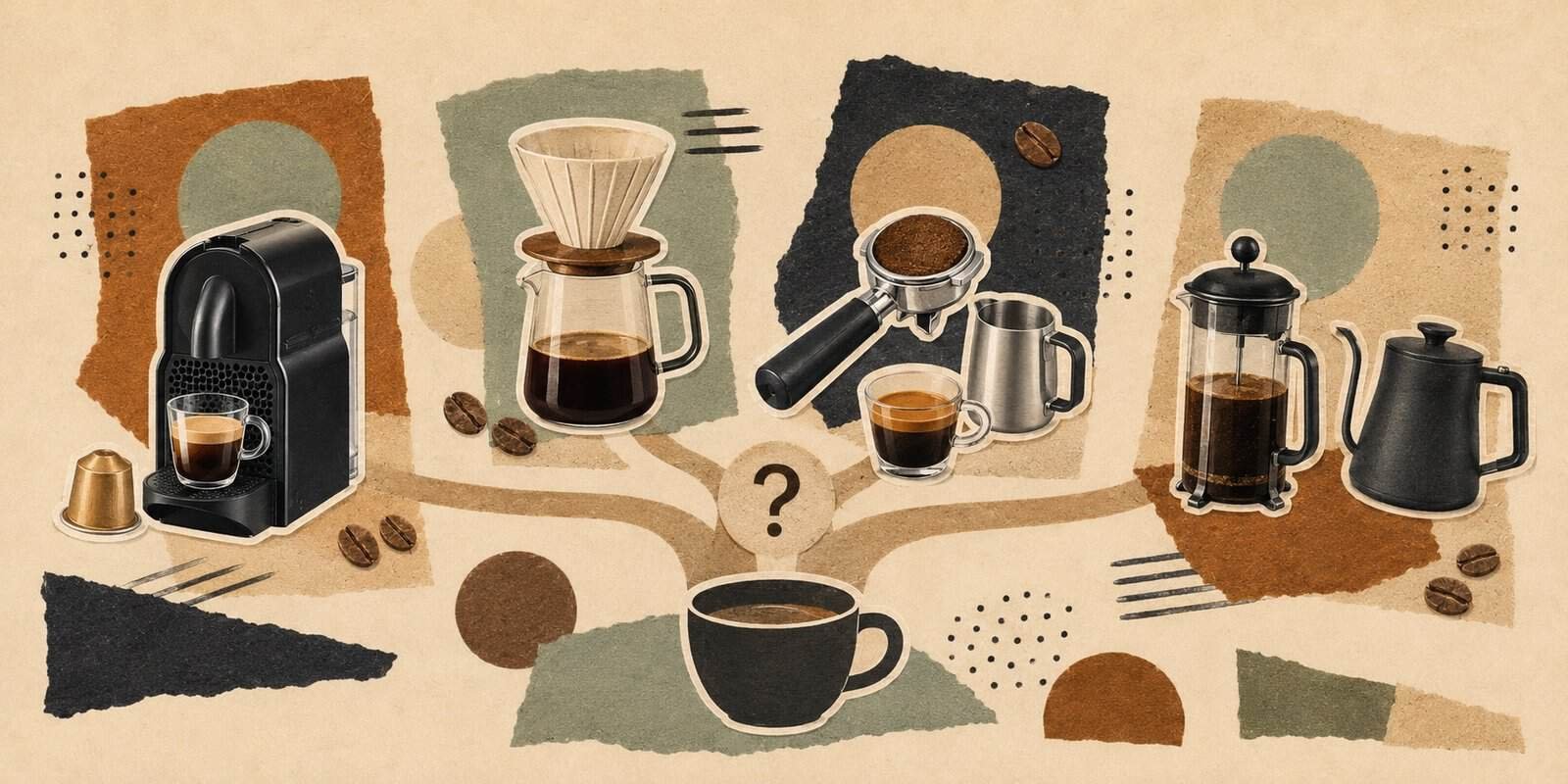
The coffee machine aisle is one of the most confusing in any kitchen store. Four different types, dozens of brands, price tags from $20 to $2,000, and marketing language that makes every single one sound like the obvious choice. The good news: the decision is actually pretty simple once you know what each type is actually for.
How to choose a coffee machine comes down to three questions: how much time do you want to spend making coffee, what kind of coffee do you actually drink, and how much are you willing to spend – not just on the machine, but on the ongoing cost of beans or capsules. Answer those three questions and the right type picks itself.
Here’s an honest breakdown of every type.
The Four Types at a Glance
| Type | Best For | Price Range | Effort | Examples |
| Pod | Convenience, speed, variety | $50-$300 | Minimal | Nespresso, Keurig |
| Drip | Volume, daily routine, simplicity | $30-$500 | Low | Breville, Fellow |
| Espresso | Quality, control, café-style drinks | $200-$2,000+ | High | Breville, De’Longhi, Sage |
| Manual/French Press | Budget, flavour control, no electricity | $20-$200 | Medium | Bodum, Fellow, AeroPress |
Pod Coffee Machines – Best for Convenience
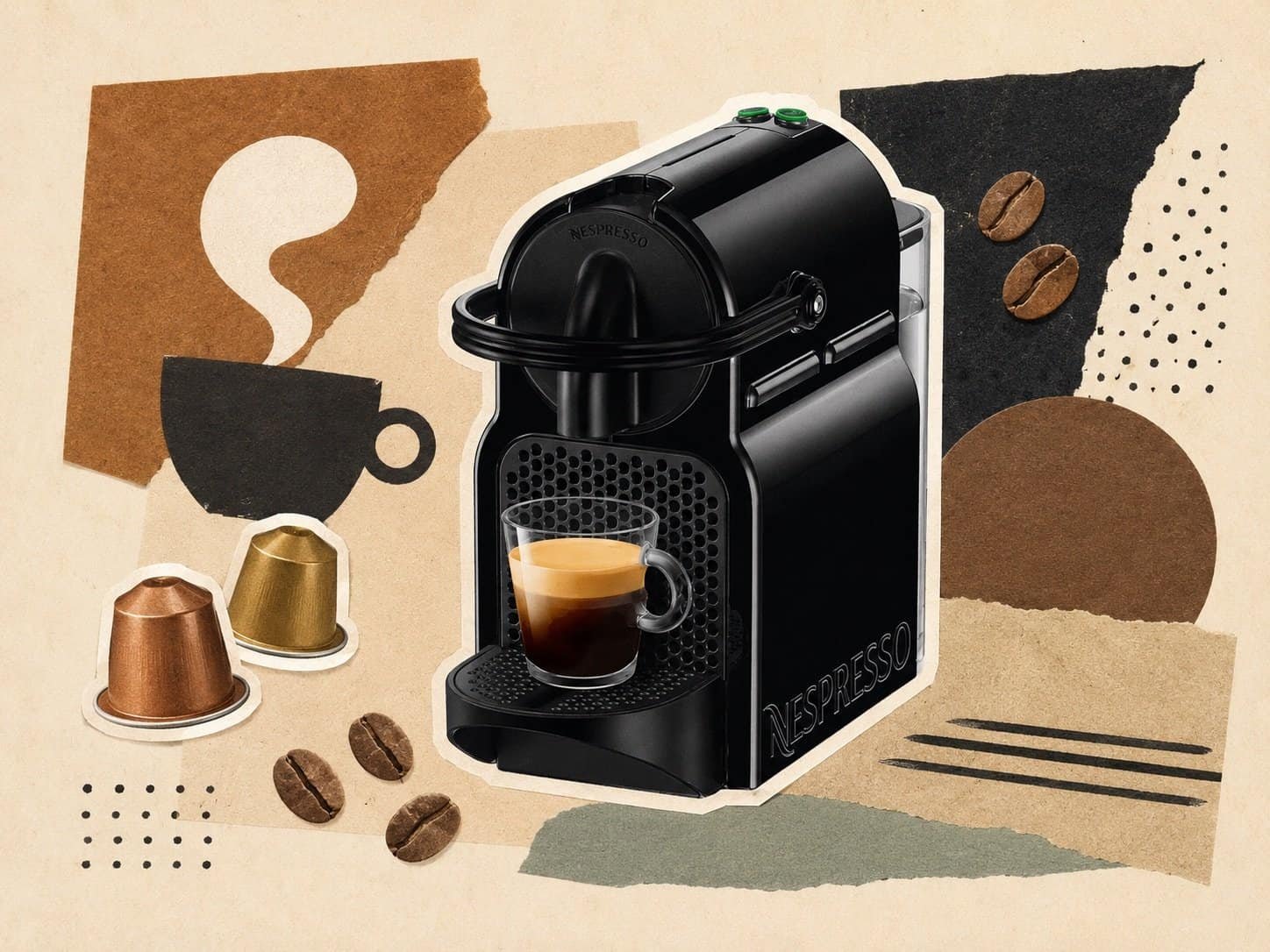
Pod machines are the easiest coffee machines to use. You insert a capsule, press a button, get coffee. No grinding, no measuring, no technique. Cleanup is removing the capsule. That’s it.
The main players are Nespresso (espresso-style drinks, high pressure) and Keurig (American-style drip coffee, larger volumes). Nespresso machines start around $100 and produce a genuinely good espresso shot – not café quality, but consistently better than most home drip coffee. Keurig machines suit anyone who wants a fast cup of regular coffee without thinking about it.
The trade-off is ongoing cost and waste. Nespresso capsules run about $0.70-$1.00 each. Keurig pods cost $0.30-$0.50. At one to two cups per day that adds up fast – often more expensive per cup than buying specialty beans and grinding them yourself. The environmental impact of single-use capsules is also a real concern, though both Nespresso and Keurig now offer recycling programs.
Pod machines are right for you if:
- Speed and convenience are your top priorities
- You drink one or two cups a day, not a full pot
- You live alone or with one other person
- You want variety – different capsule flavours without committing to a full bag of beans
- You rent and don’t want to invest in a serious setup
Skip pods if:
- You drink a lot of coffee – the capsule cost adds up quickly
- You care about coffee quality and want control over your brew
- Environmental impact matters to you
Drip Coffee Makers – Best for Volume and Daily Routine
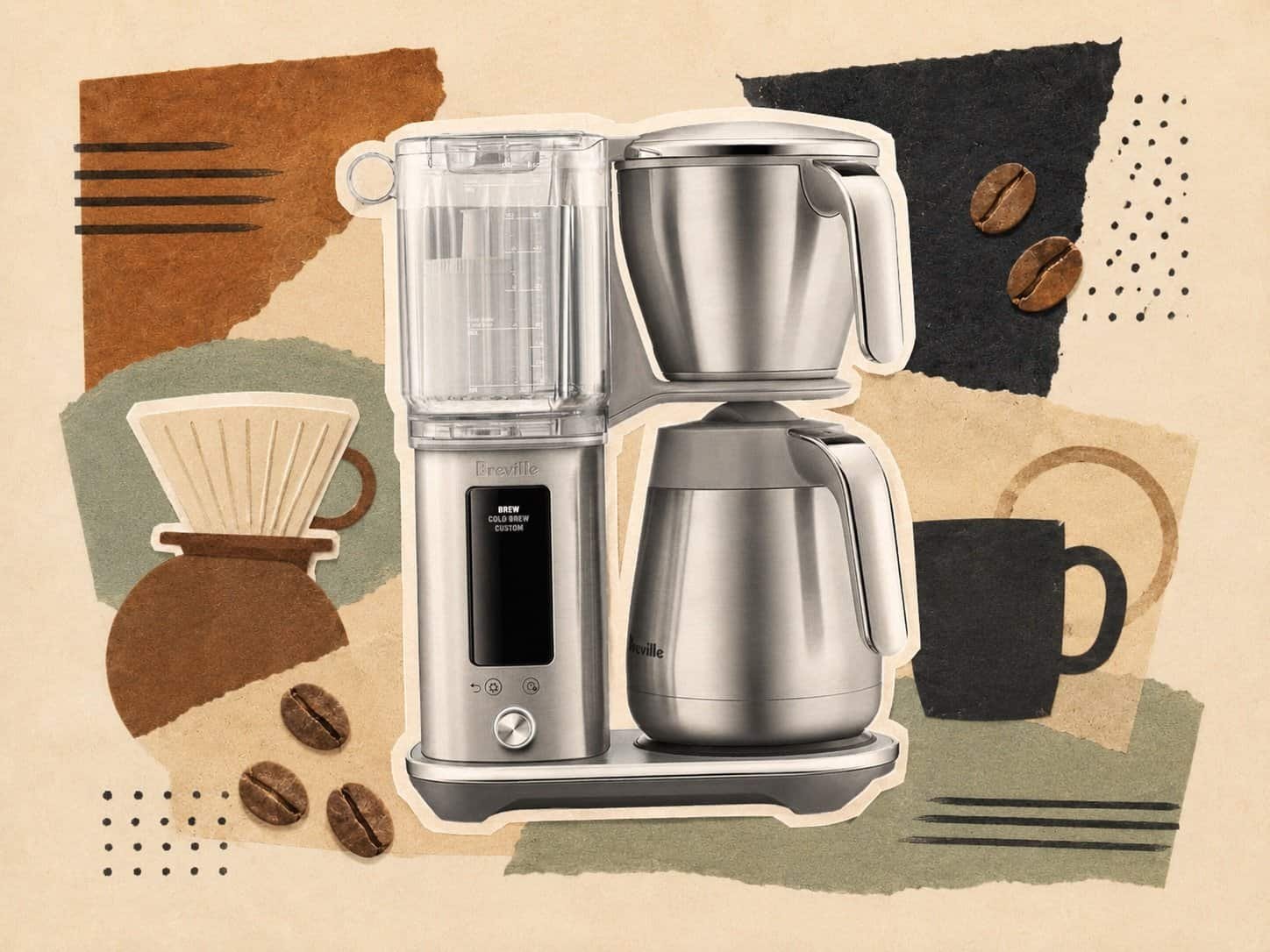
A drip coffee maker brews a full carafe of coffee – typically 8 to 12 cups – by running hot water through ground coffee in a filter. It’s the machine most people grew up with, and for good reason: it’s simple, reliable, makes a lot of coffee at once, and works with any ground coffee you buy.
The range is wide. A basic drip machine from a supermarket costs $30 and does the job fine. A precision drip brewer from Breville or Fellow costs $200-$400 and produces noticeably better coffee by controlling water temperature (ideally 195-205°F) and bloom time – the 30-second pre-infusion that lets the coffee degas before full extraction. If you’re making coffee every morning for two or more people and quality matters, a precision drip brewer is the best value in the category.
The Breville Precision Brewer is one of the most recommended options in this tier – it’s one of a handful of home machines certified by the Specialty Coffee Association for meeting professional brewing standards. The Fellow Stagg EKG and Stagg [XF] sit at the premium end for people who want total control over their morning ritual.
Drip coffee makers are right for you if:
- You make coffee for two or more people
- You want a programmable machine that’s ready when you wake up
- You drink regular brewed coffee, not espresso-based drinks
- You want good coffee without the learning curve of espresso
- Budget matters – drip coffee made with quality beans is the most cost-effective daily option
Skip drip if:
- You only drink one cup at a time – a full carafe will go cold or stale
- You want lattes, cappuccinos, or milk-based espresso drinks
Espresso Machines – Best for Quality and Café-Style Drinks
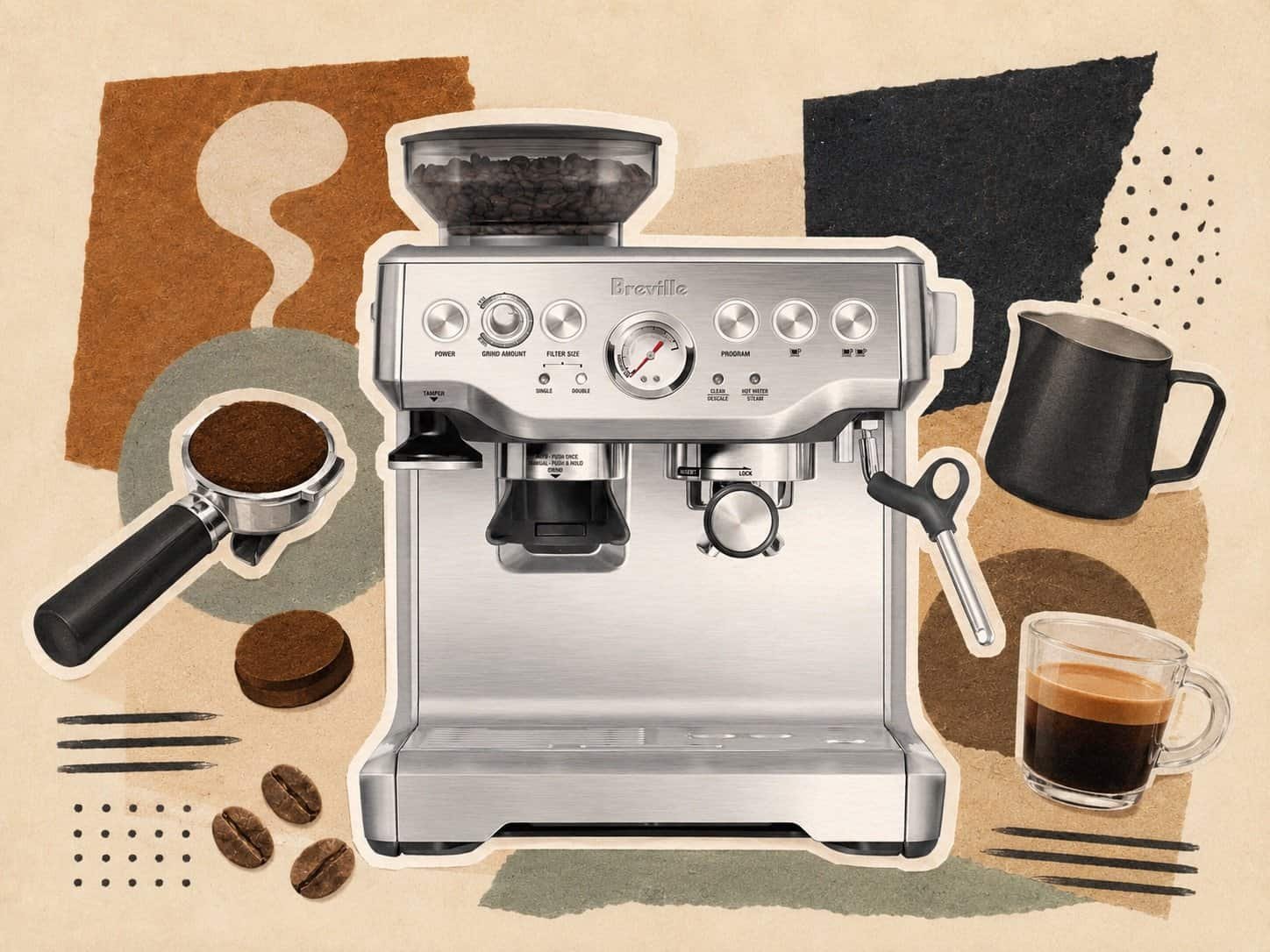
An espresso machine forces hot water through finely ground coffee under pressure – typically 9 bars – producing a concentrated shot with a layer of crema on top. It’s the foundation of lattes, cappuccinos, flat whites, and macchiatos. If you’re a café regular spending $5–$7 per drink, an espresso machine pays for itself faster than most people expect.
The category has a wide price range and an even wider skill range. Entry-level semi-automatic machines from De’Longhi start around $200 and are forgiving enough for beginners. Mid-range machines from Breville ($400-$700) offer better temperature stability, pressure control, and steam wand performance – the Barista Express includes a built-in grinder, which removes one of the biggest friction points for new espresso drinkers. At the premium end, Sage (Breville’s European brand) and La Marzocca machines for $1,000-$3,000+ are for people who want to replicate a professional setup at home.
The honest caveat: espresso has a learning curve. Grind size, dose, tamp pressure, and extraction time all affect the shot. It takes a few weeks of daily practice to dial in a consistent result. The payoff – a genuinely great espresso at home – is real, but the path there requires patience.
The Specialty Coffee Association’s home brewing standards are a useful reference for anyone getting serious about home espresso.
Espresso machines are right for you if:
- You drink lattes, cappuccinos, or flat whites daily
- You spend $5+ per coffee shop visit and want to reduce that cost
- You enjoy the ritual and don’t mind a learning curve
- Quality matters more than convenience
- You’re willing to invest in a grinder – pre-ground coffee doesn’t work well for espresso
Skip espresso if:
- You want quick, no-fuss coffee in the morning
- You only drink regular black coffee
- Your budget is under $300 – entry-level espresso machines can be frustrating
Manual and French Press – Best for Budget and Flavour Control
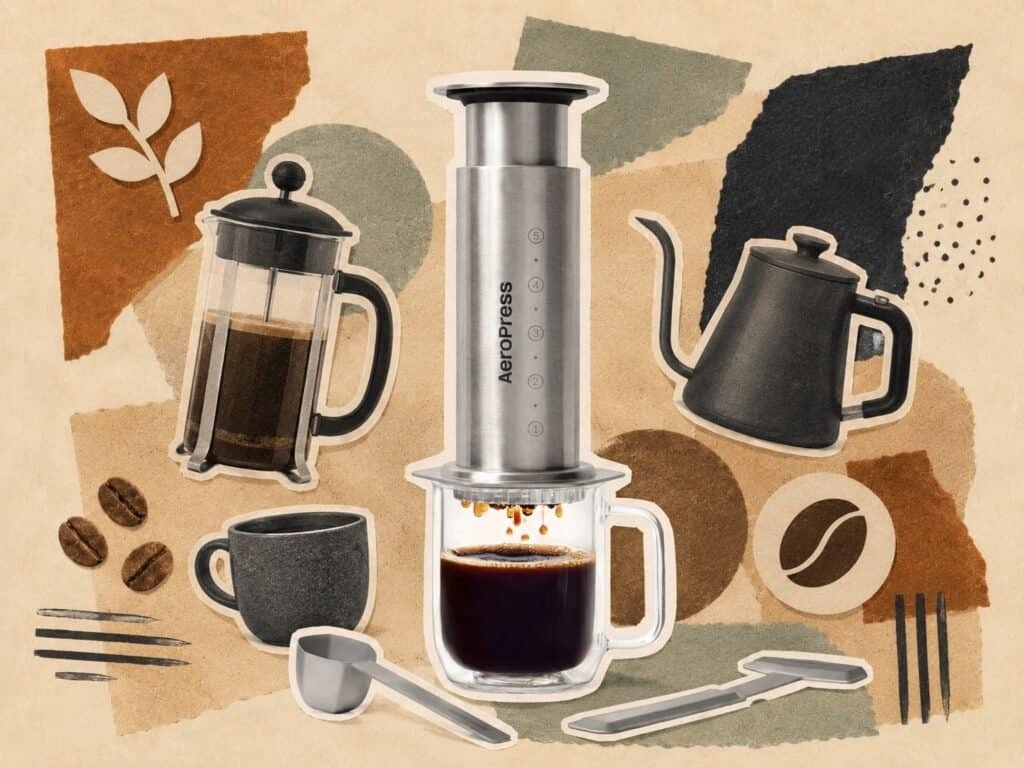
Manual brewing methods – French press, AeroPress, pour-over, Moka pot – require no electricity, cost between $20 and $150, and produce excellent coffee when done well. They’re the choice of coffee enthusiasts who want maximum control over the brewing process and don’t mind taking five minutes to make a cup.
The French press is the most forgiving entry point. Coarsely ground coffee, hot water, four minutes of steep, press. The result is full-bodied, rich coffee with natural oils that paper filters remove. Bodum makes the most widely recommended options; a quality French press costs $30-$50 and lasts years.
The AeroPress is more versatile – it can produce espresso-style concentrate or regular coffee, and the short brew time (1–2 minutes) and easy cleanup make it popular for travel and small kitchens. The Fellow Prismo attachment turns it into a reliable espresso alternative for under $100 total.
Pour-over (Chemex, Hario V60) produces the cleanest, brightest cup – all the nuance of high-quality beans without any bitterness. It takes more technique and attention than French press, but the results at the top end rival anything an automatic machine can produce.
Manual brewing is right for you if:
- Budget is the primary concern – no machine rivals the value of a French press and good beans
- You enjoy the process of making coffee, not just drinking it
- You travel frequently and want a portable option
- You want to taste the difference between different coffee origins and roasts
Skip manual if:
- You want coffee ready with zero effort in the morning
- You make coffee for more than two people regularly
- Consistency matters more than exploration
How to Choose: The Decision Framework
If you’ve read this far and still aren’t sure, here’s the simplest way to decide:
- You want fast, easy, no-fuss coffee → Pod machine (Nespresso for espresso-style, Keurig for regular)
- You make coffee for two or more people every morning → Drip coffee maker (Breville Precision Brewer for quality, any basic model for budget)
- You drink lattes or cappuccinos and want to stop paying café prices → Espresso machine (Breville Barista Express is the best starting point)
- You care most about flavour and don’t mind a bit of effort → French press or AeroPress
- You’re not sure what you want → Start with a French press ($30) and figure out your preferences before spending more
One thing worth knowing: the quality of your coffee beans matters more than the machine. A $500 espresso machine with stale, pre-ground supermarket coffee will produce worse results than a $30 French press with freshly ground specialty beans. Whatever machine you choose, buy whole beans, grind them fresh, and store them in an airtight container away from heat and light.
FAQ
What is the best coffee machine for beginners?
A pod machine (Nespresso or Keurig) is the most beginner-friendly – zero technique required. If you want to learn to make better coffee, a French press is the best starting point: it’s forgiving, inexpensive, and produces noticeably good results with minimal effort. For espresso beginners, the Breville Barista Express includes a built-in grinder, which removes one of the biggest friction points for new espresso drinkers – we cover it in depth in our Breville review alongside the full kitchen lineup.
Is an espresso machine worth it if I drink one coffee a day?
Financially, yes – if you’re currently buying espresso-based drinks at a café. At $5 per drink, a $400 espresso machine pays for itself in under three months of daily use. The question is whether you’re willing to learn the technique. Espresso requires consistent effort to dial in; if you want great coffee without the learning curve, a precision drip machine oEspresso, drip, pod, or French press – here’s how to choose the right coffee machine for your routine and budget.r Nespresso is a better daily driver.
How much should I spend on a coffee machine?
It depends entirely on what you drink and how often. For regular drip coffee: $30–$100 covers the basics well, $200-$400 gets you precision brewing that makes a noticeable difference. For espresso: budget at least $300-$500 for a machine that won’t frustrate you, and factor in the cost of a grinder if it’s not included. For pod machines: $100-$200 is plenty. For manual brewing: $20-$50 for a French press or AeroPress is all you need to make excellent coffee.
Do I need a grinder with my coffee machine?
For espresso: yes, a good grinder is arguably more important than the machine itself. Pre-ground coffee goes stale within minutes of grinding – espresso made with pre-ground is noticeably worse than freshly ground. For drip and French press: a burr grinder significantly improves results, but it’s not essential for a good cup. Pod machines: no grinder needed at all.
What’s the difference between Nespresso and a real espresso machine?
Nespresso uses pre-portioned, pressurised capsules to produce an espresso-style drink quickly and consistently. A real espresso machine uses fresh ground coffee with a portafilter and 9 bars of pressure – giving you full control over dose, grind, extraction time, and milk steaming. Nespresso is faster and more consistent for a beginner; a proper espresso machine produces better results when dialled in correctly. The trade-off is time, technique, and ongoing capsule cost versus bean cost.


